Peyronie's disease
Peyronie's Disease Symptoms
Curvature, shortening, pain, narrowing, and erectile changes often travel together. Start with the symptom that worries you most.
In this section
Explore each symptom
Pick the symptom that matches what's concerning you most. Each guide frames the symptom, where it fits in the condition, and what it means for next steps.
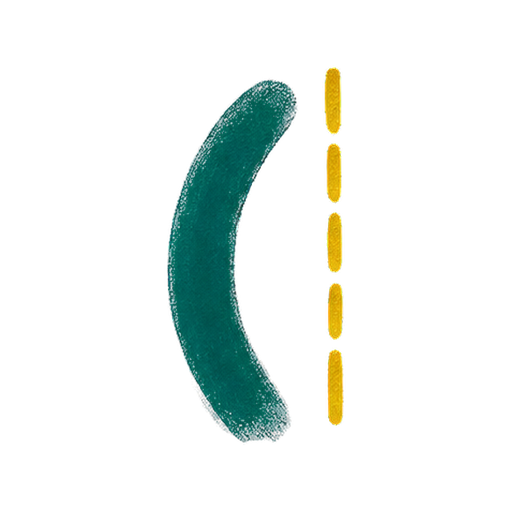
Penile Curvature and Peyronie's Disease
Learn how acquired penile curvature can show up in Peyronie's disease and when to seek evaluation.
- A new bend matters more than lifelong mild curvature.
- Pain, plaque, or shortening strengthen suspicion for Peyronie's.
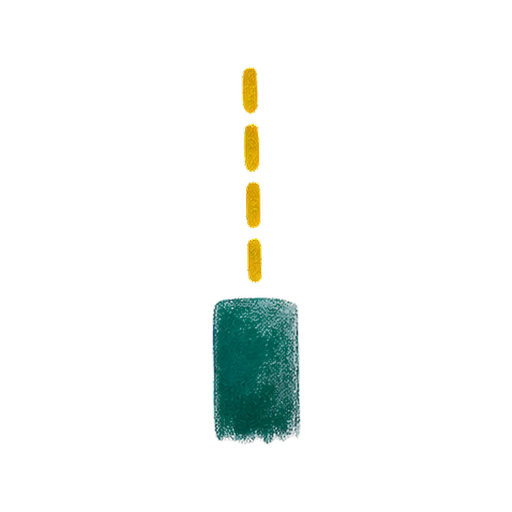
Penile Shortening in Peyronie's Disease
Understand why Peyronie's disease can cause penile shortening and why traction therapy often enters the conversation.
- Shortening can occur even when curvature seems moderate.
- Scar tissue reduces normal expansion.
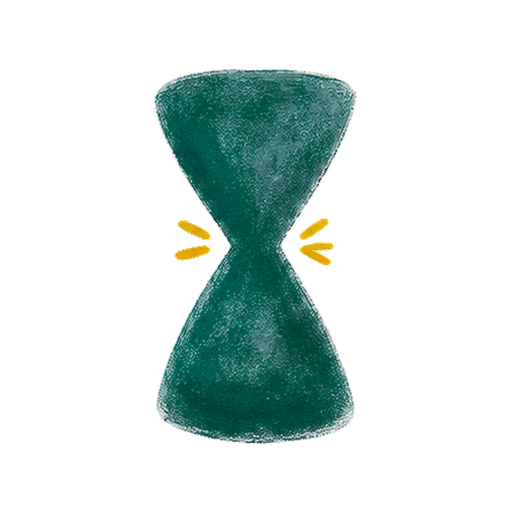
Hourglass Deformity and Indentation
Learn how hourglass deformity and indentation can present in Peyronie's disease and why these shapes can be more functionally important than a simple curve.
- Indentation can signal instability or hinge effect.
- These deformities may affect function more than angle alone.
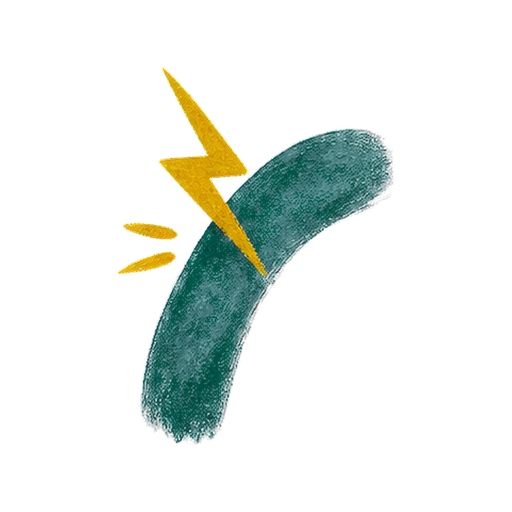
Painful Erections in Peyronie's Disease
Pain can be part of the active phase of Peyronie's disease. Learn what it may mean and when to move toward diagnosis.
- Pain is more common in the active phase than the stable phase.
- Pain alone does not reveal how much curvature may develop.
Erectile Dysfunction and Peyronie's Disease
Erectile dysfunction can occur alongside Peyronie's disease for physical, psychological, or mixed reasons.
- Some men lose rigidity because of vascular issues, others because curvature creates instability or fear.
- ED changes treatment conversations.
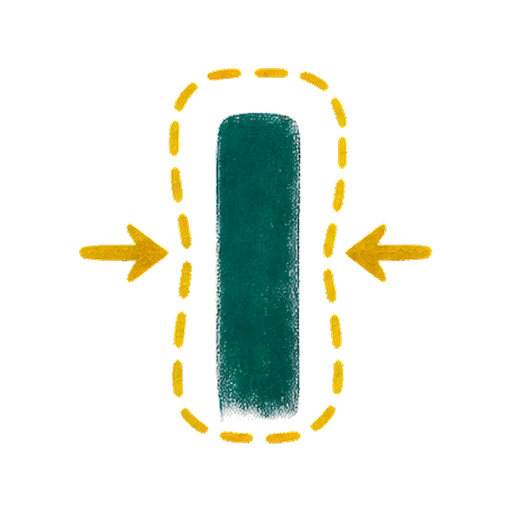
Loss of Girth and Narrowing
Loss of girth can be part of Peyronie's disease and may show up as localized narrowing or a thinner-feeling erection.
- Girth loss may be focal or generalized.
- Shape change can matter even when angle is modest.
Palpable Plaque and Scar Tissue
A palpable plaque is one of the hallmarks of Peyronie's disease, but not every firm spot means the same thing.
- Plaque can exist with or without severe curvature.
- It helps explain why expansion becomes uneven during erection.

Hinge Effect and Instability
Hinge effect can make erections feel unstable even when curvature is modest.
- Instability can affect penetration even without a dramatic bend.
- Hourglass narrowing and hinge effect often overlap.
The Emotional Impact of Peyronie's Disease
Peyronie's disease often affects confidence, relationships, and mental health.
- Distress is common and does not mean symptoms are trivial.
- Mental strain can intensify ED and avoidance.
FAQ
Common questions
Is Peyronie's disease only about curvature?
No. Curvature is common, but shortening, narrowing, painful erections, erectile dysfunction overlap, instability, and emotional strain can all be part of the condition.
Does one symptom tell you which treatment you need?
No. Symptoms help orient the discussion, but treatment fit still depends on disease phase, functional impact, and clinician guidance.
When should symptom pages lead to a medical evaluation?
A new or progressive deformity, painful erections, or changes in sexual function are all reasons to move from self-education toward a diagnostic evaluation.