Peyronie's treatments
Peyronie's Disease Treatments
Traction, vacuum therapy, injections, and surgery: what each treatment can do, who it fits, and what the evidence actually supports.
In this section
Treatment options
Each page below covers a specific treatment path. Start with the option that matches your main goal: curvature, length, erectile function, or invasiveness.
The bar shows how strongly we recommend each option for men starting with at-home, non-surgical care.
- Top pickWhere we point most men first — the strongest fit for at-home, non-surgical goals.
- ModerateUseful in the right case, usually as part of clinician-guided care.
- LimitedA smaller or more cautious role for most men starting out.
A gold frame and Recommended label mark the two featured devices we point to first.
Traction Therapy for Peyronie's Disease
A practical overview of traction therapy, who it may fit, and why RestoreX currently carries the strongest device-specific evidence in this category.
- Best aligned with curvature and length-related goals.
- RestoreX has stronger device-specific evidence than the current featured VED evidence set for structural goals.
Vacuum Erection Device Therapy for Peyronie's Disease
Learn how VED therapy may fit into Peyronie's care, where the evidence is supportive but more limited, and why Osbon VED is the featured option on this site.
- VED therapy may be most relevant when erectile function and rehabilitation are part of the picture.
- Supportive evidence exists, but it is thinner than the RestoreX evidence base.
Injection Therapy for Peyronie's Disease
A high-level overview of injection therapy in Peyronie's disease and where it fits relative to non-surgical devices and surgery.
- Injections are typically discussed in a clinician-guided treatment pathway.
- They are neither the only conservative option nor the right fit for every case.
Surgery for Peyronie's Disease
Understand when surgery enters the Peyronie's conversation and why many men first compare it against non-surgical paths.
- Surgery is usually a later-stage conversation rather than the first step.
- Stable disease matters more than early active change.

Oral Medications for Peyronie's Disease
Understand why oral medications are often discussed cautiously in Peyronie's disease and why they are rarely the whole answer.
- Oral medications may be discussed, but expectations should stay conservative.
- Structural deformity often needs a broader plan than pills alone.
Shockwave Therapy for Peyronie's Disease
A cautious overview of shockwave therapy in Peyronie's disease and why it should be weighed carefully against better-established goals and evidence.
- Non-surgical does not automatically mean equally supported.
- This site focuses on traction and VED as the primary non-surgical options, not shockwave.

Non-Surgical vs Surgical Peyronie's Treatment
Compare the goals, tradeoffs, and timing differences between non-surgical and surgical Peyronie's treatment paths.
- Non-surgical care is often explored first.
- Surgical discussions usually belong to stable disease with significant functional impact.
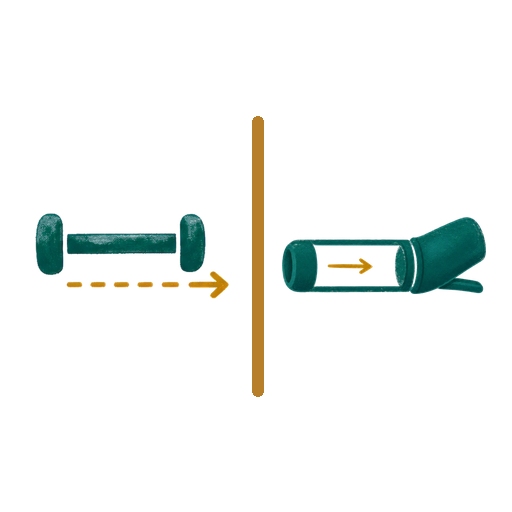
RestoreX vs Vacuum Therapy for Peyronie's Disease
A direct comparison of the two featured device pathways on this site: RestoreX traction therapy and Osbon VED therapy.
- RestoreX is the lead device when curvature and shortening are central.
- VED therapy is more relevant when erectile function is equally important.

A Peyronie's Treatment Timeline
See how Peyronie's treatment decisions often shift from the active phase to the stable phase and why timing matters.
- Early-phase goals often center on assessment and stabilization.
- Stable-phase goals center more on correction and function.
Stay informed
Get practical Peyronie's updates
Receive new guides, treatment explainers, and evidence-based updates by email. Unsubscribe at any time.